 GAME

Monument Valley
Rotate impossible architecture until two paths line up. It is a gentle introduction to solving with perspective.
Browser storage is unavailable. Favourites only last on this page.
· View alerts ↗Observe → form a theory → try it → revise what you think the rule is.
Spatial puzzles ask where things can go. Deduction puzzles ask what must have happened. Both reward understanding, but they feel very different to play.
Pick Monument Valley to rearrange a space, or Return of the Obra Dinn to connect pieces of evidence.
Rotate impossible architecture until two paths line up. It is a gentle introduction to solving with perspective.

If you like chess problems, try moving enemies out of the way of their own attacks. The next enemy moves are visible.

Build a landscape one hexagon at a time. Try it when you want a planning puzzle without speed or combat.

Follow mysteries across a tiny solar system. The big upgrades are things you learn rather than things you collect.

Link two points in a room and think about what should pass through. The campaign introduces the rules one idea at a time.

Reconstruct a ship’s story by cross-checking moments, faces, occupations and voices. Good if you like taking notes.

Study a scene and slot names, motives and actions into your reconstruction. The interface makes your theory easy to inspect.
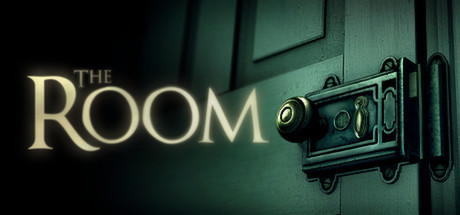
Look closely at ornate puzzle boxes and work out what each latch, dial or hidden slot can do.

Open moving boxes and decide where each object belongs. The places and possessions tell a story across several homes.