 GAME
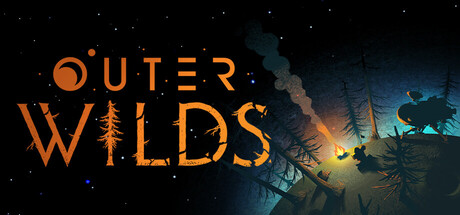
Outer Wilds
Follow mysteries across a tiny solar system. The big upgrades are things you learn rather than things you collect.
Browser storage is unavailable. Favourites only last on this page.
· View alerts ↗Choose where to go, investigate what you find, and use it to uncover something else.
Notice an odd detail → investigate → connect it to something you know → pick the next lead.
In some games, new tools open routes. In knowledge-driven games, what you learn is itself the key. Outer Wilds is an example of the latter.
You can return to the same place with the same equipment and suddenly understand what to do.
Follow mysteries across a tiny solar system. The big upgrades are things you learn rather than things you collect.
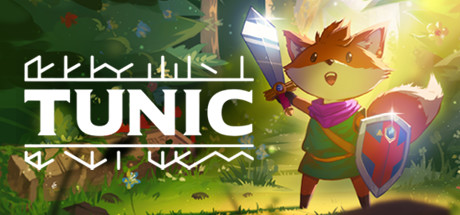
Explore a maze of secrets and piece together a manual that helps you see old places differently.

Map an interconnected underground kingdom. New movement abilities make previously unreachable routes worth revisiting.

Reconstruct a ship’s story by cross-checking moments, faces, occupations and voices. Good if you like taking notes.

Pick a point on the horizon and work out how to reach it. Weather, climbing and physics often suggest routes the map doesn’t.

Climb, glide, and attach pieces to build your own way across Hyrule. A good pick if you like solving a problem with a machine you made.

Hike, climb or glide around a small island. Chat with other visitors, then take whichever path looks inviting.

Take a fishing boat from island to island, fit your catch into a small hold, and bring odd finds back to shore.

Move through a painted world and use new forms of movement to reach different spaces. Color and music carry much of the story.